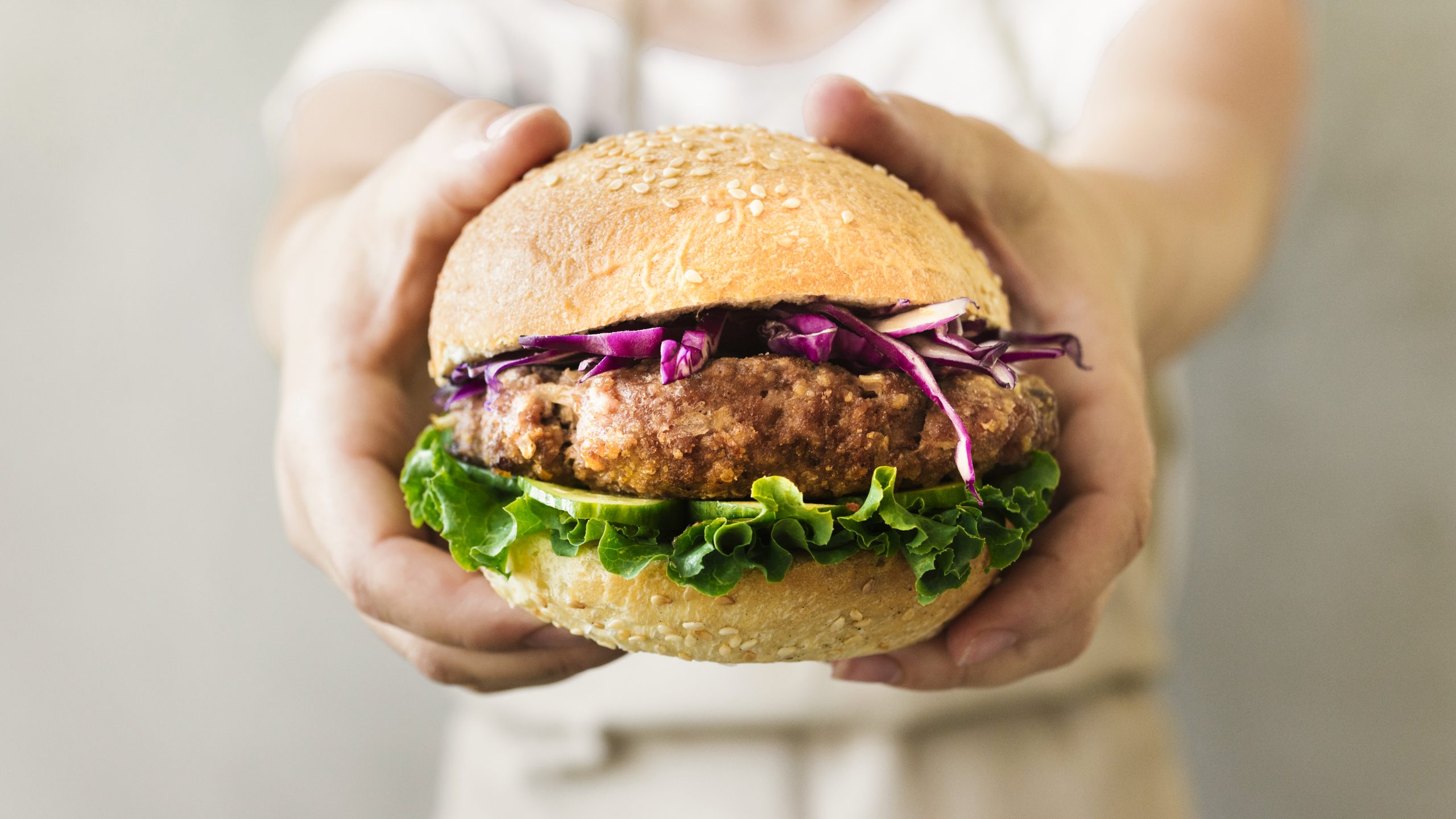


Giving up meat can feel like a big shift – but it can open a whole world of flavour
People stop eating meat for all sorts of reasons. For some, it’s about health; for others, it’s to lower their environmental impact or because of concerns about the impact on animals. Whatever the reason, when people make the shift they’re often not sure what to eat instead of meat. In this article, we help you to fill that void with some delicious and easy-to-make options.
For many people, meat is a foundational element of a meal. So, when it’s gone, it’s easy to feel lost. The good news is that, with a few simple swaps and a fresh way of approaching cooking, you can still enjoy food that’s full of flavour, comfort, and satisfaction. And what once seemed like a constraint soon becomes a source of liberation, as you discover just how much depth and variety there is to plant-based eating.
Start with the easy wins
A lot of dishes don’t need meat since the main taste is defined by the herbs, spices, and other ingredients used in a dish – especially when any type of sauce is involved. For example, lentils or soya mince are an easy replacement for minced beef in most dishes and make a brilliant base for lasagne, Bolognese, or shepherd’s pie.
Chickpeas or butter beans can similarly take the place of chicken in curries, adding body and richness with very little effort. Tofu and tempeh soak up sauce and bring a solid bite to tagines, stir fries, and many other dishes, just as chunks of meat would. Tinned beans or lentils can stand in for sausages to bulk out stews and casseroles, and, if you’re cooking anything Mexican or Indian, the beans are already baked into the cuisine, so to speak!
If you’re used to meat being the anchor of your meals, it helps to think in terms of texture and depth rather than merely imagining a direct substitute for chicken, beef, or pork. What you’re really after is a meal that’s savoury, rich, and satisfying – and plenty of plant-based foods can deliver that. Mushrooms, aubergines, jackfruit, and pulses all add a meaty feel, and can be easy and fun to prepare.
Techniques such as roasting, grilling, and frying can really bring out those ‘meaty’ qualities in vegetables. Roasted mushrooms develop a deep umami flavour and juicy bite, while grilled aubergine takes on a smoky edge with a rich, soft interior. Jackfruit absorbs bold sauces beautifully, and works well when roasted or pan-fried, or simply accompanied by some crisp vegetables in a stir-fry. Pulses such as chickpeas and lentils can be gently fried with spices to provide a toasty touch and extra texture – and if you let them break down a bit they add a beautifully creamy texture.
Combine any of these ingredients with herbs, spices, and the right cooking techniques, and you’ll have meals that are every bit as rich and satisfying as the meat dishes that you used to enjoy.
Meat alternatives can help
Commercially produced meat replacements can be an easy way to keep familiar meals on the table – just swap them in where you’d normally use meat. Think plant-based burgers with chips, sausages and mash, soya chunks in stews and curries, or plant-based ham, chicken, or pastrami in sandwiches. There’s now a growing range of options – from burgers and sausages to nuggets, mince, plant-based ‘chicken’ pieces, and more – with something for almost every taste and cooking style.
Some of these meat alternatives are designed to mimic meat in terms of how they cook, taste, and feel. Others put whole-food ingredients such as beans, vegetables, or mushrooms front and centre, offering their own depth and richness without trying to imitate anything but using the same physical format (such as sausages or patties).
Meat replacements can be especially handy when you’re short on time or are cooking for a mix of eaters – whether it’s family members who still eat meat, flatmates with different diets, or guests who aren’t sure what to expect. Plant-based versions of familiar favourites slot easily into everyday meals and help to make the switch feel easy.
Think in terms of flavour, not just protein
A lot of what we crave in meat-based dishes is the flavour: umami, spice, richness, and depth. But these don’t come from meat alone. You’ll find them in smoked paprika, miso, tomato purée, soya sauce, balsamic vinegar, tahini, toasted nuts, caramelised onions, garlic, and spice mixes, among others. Layer these into your meals, and they’ll have the same kind of depth you’re used to – but with an even broader flavour profile.
So, roast your veggies, toast your spices, and simmer your sauces until they thicken and deepen in flavour. These traditional cooking techniques, along with searing and deglazing, bring out the best in plant-based ingredients – adding richness, complexity, and that satisfying umami flavour.
What about bacon and steak?
Bacon and steak are two of the things that people say they miss when they give up meat. While there might not yet be a perfect plant-based analogue for bacon, tempeh strips come pretty close, delivering the smoky, salty hit that so many people crave. There are also plant-based versions that crisp up well in a pan or under the grill, while smoked marinated tofu or thin slices of aubergine brushed with oil and seasoning are a satisfying substitute with similar flavour profiles.
As for that ‘juicy steak’ experience? Some plant-based steaks come incredibly close in terms of texture and taste – especially when seared well and served with punchy sauces. Or go for bold alternatives such as thick grilled mushrooms or marinated tofu slabs with a rich glaze.
They’re not exact replicas, but they hit a lot of the same notes, especially when the craving is more about comfort and habit than flavour and texture.

You don’t have to reinvent everything
Some meals are already meat-free – or nearly there – think dahl, pasta arrabiata, veggie stir fry, or hummus and roasted veg wraps. These dishes have never been reliant on meat for flavour or substance, which makes them great confidence-builders if you’re new to plant-based eating. Use them for quick midweek meals or lunches, and save the meat-substitute experiments for when you’ve got more time or want to recreate a favourite. You don’t need to make any adjustments – just build on what you already enjoy and let these easy wins balance out meals that are less familiar.
You don’t have to become a different kind of cook – just adjust the ingredients
Going meat-free doesn’t mean throwing out everything you know. When you begin, you can just use a few smart swaps in meals that you’re already familiar with. As your confidence grows, you’ll likely discover new ingredients, techniques, and dishes that take things even further – you’ll learn to cook meals that are not only meat-free, but more varied, vibrant, and full of flavour than your previous creations.
If you’re looking for inspiration, our recipe collection is a great place to start – packed easy ideas for every kind of meal.


Simon Middleton
Senior Writer